Beauty & Wellness co
Laser vaginal rejuvenation
FemiLift: Understanding Vaginal Laser Rejuvenation
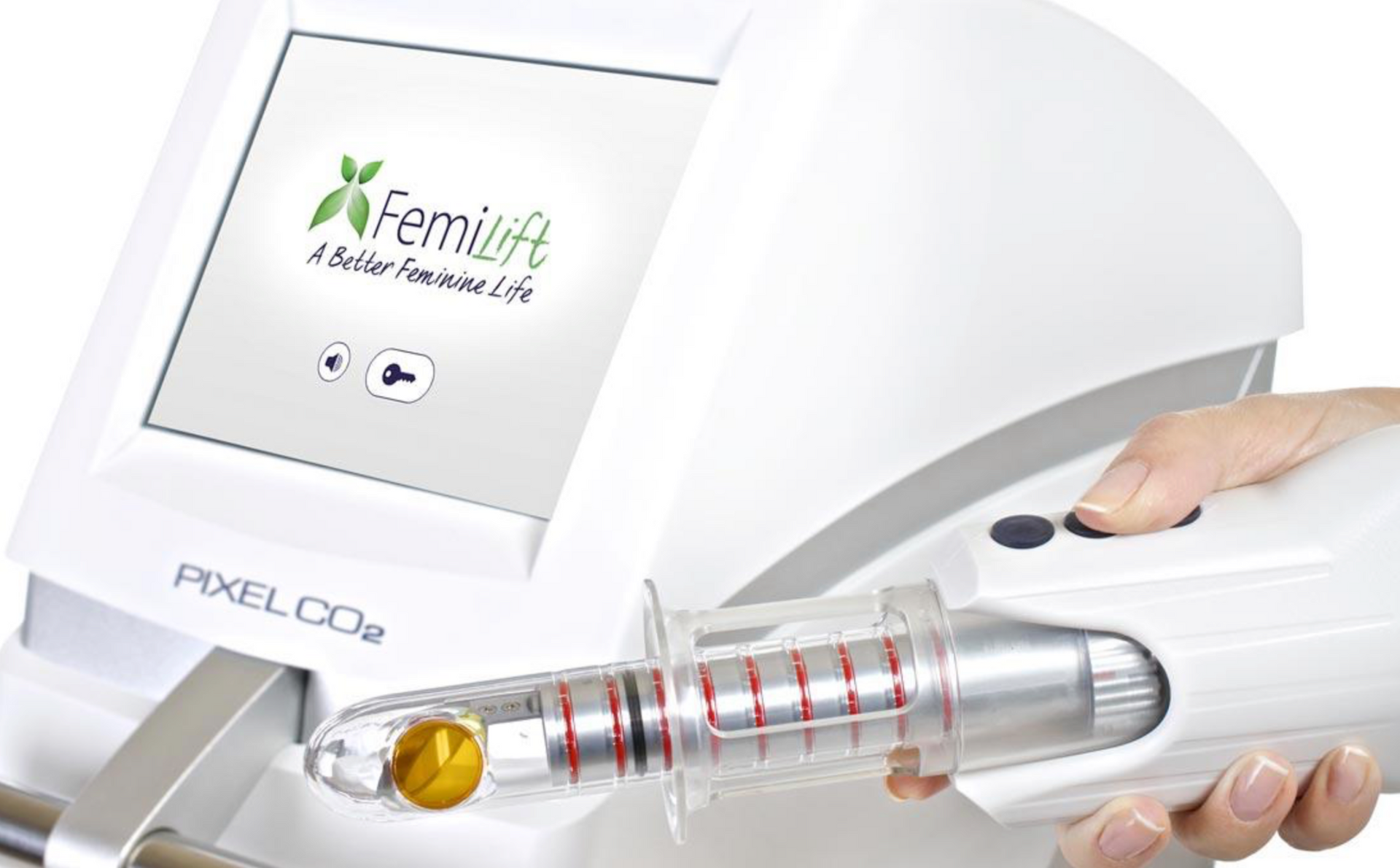
FemiLift is a minimally invasive, fractional CO₂ laser procedure designed to deliver controlled laser energy to vaginal tissue. It is marketed as an option for women experiencing changes in vaginal comfort, tissue quality, and intimate wellness, particularly following childbirth or during hormonal transitions.
As women experience pregnancy, childbirth, aging, and changes in estrogen levels, vaginal and surrounding pelvic tissues may undergo changes that affect daily comfort and sexual well-being.
FemiLift uses laser technology to create small, controlled areas of thermal injury in the treated tissue. The body's healing response may stimulate tissue remodeling, including changes in collagen.
However, the biological effect of laser energy does not necessarily translate into proven improvement in vaginal symptoms. Clinical evidence remains limited, and the FDA has not established the safety or effectiveness of energy-based devices for vaginal rejuvenation, menopausal symptoms, urinary incontinence, or sexual dysfunction.
OUR PROCESS
The Procedure typically involves:

CONSULTATION
A consultation and appropriate gynecologic screening.
PLACEMENT
Placement of a specialized vaginal laser applicator.
CONTROLLED DELIVERY
Controlled delivery of fractional laser energy along the vaginal walls.
EDUCATION
Post-treatment instructions and monitoring for complications.
The 2025 AUA/SUFU/AUGS guideline specifically concludes that evidence does not support CO₂ laser treatment for several symptoms of genitourinary syndrome of menopause, while acknowledging limited circumstances for experimental use with appropriate counseling.
The laser procedure itself may take approximately 10–15 minutes, although appointment length varies. Patients may experience warmth or discomfort.
Who might be interested in learning about FemiLift?
Women who notice changes following childbirth, during perimenopause or menopause, or who experience vaginal discomfort may want to discuss available treatment options.
A consultation is important because these symptoms may have different causes, including estrogen deficiency, pelvic floor dysfunction, infections, dermatologic conditions, or other gynecologic disorders.
For many of these conditions, better-established treatments exist, such as vaginal moisturizers, appropriate hormonal therapy, or pelvic floor physical therapy.
Are there Risk?
Yes. Although the procedure is minimally invasive, it is not risk-free. Potential complications include vaginal burns, bleeding, infection, scarring, painful intercourse, and persistent or chronic pain. Long-term safety data remain limited.
What potential benefits are being studied? What patients should know some studies have shown improvement in the following
Researchers have investigated vaginal fractional CO₂ lasers for several concerns.
- Vaginal dryness and irritation
- Discomfort during intimacy
- Vaginal laxity following childbirth
- Tissue remodeling is proposed
- Mild urinary stress incontinence
- Menopause-related vaginal changes
